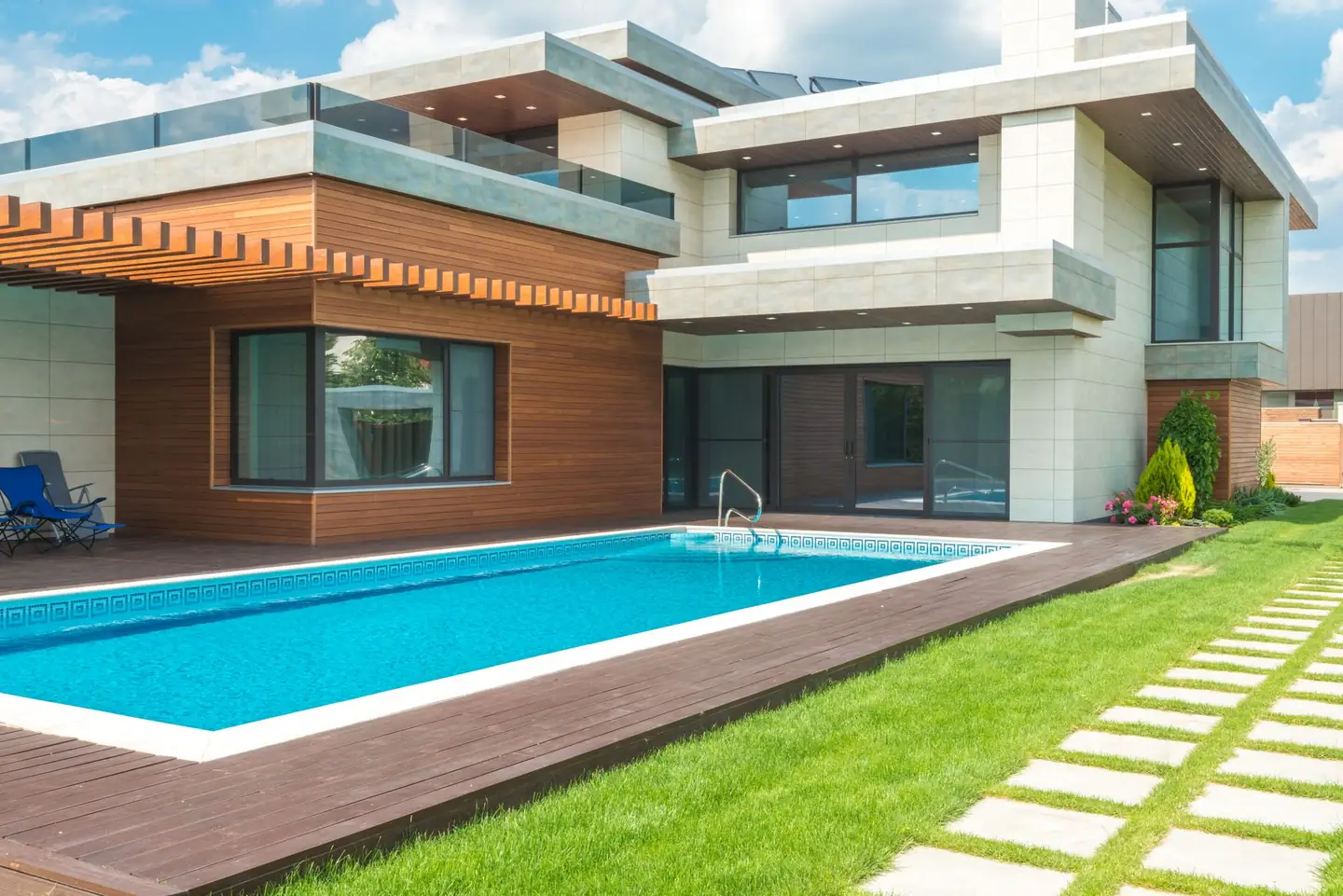
Our Pool Building Services in Primrose Valley
-
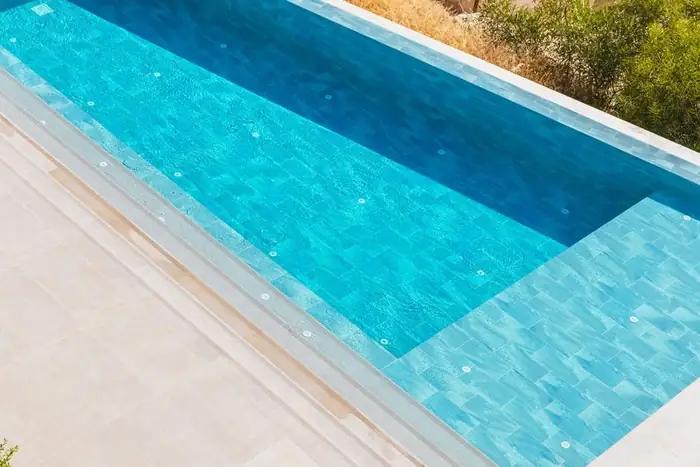
Concrete Pool Construction in Primrose Valley
Fully custom concrete pools formed and sprayed on site to suit any Primrose Valley block, in any shape, size or depth.
-
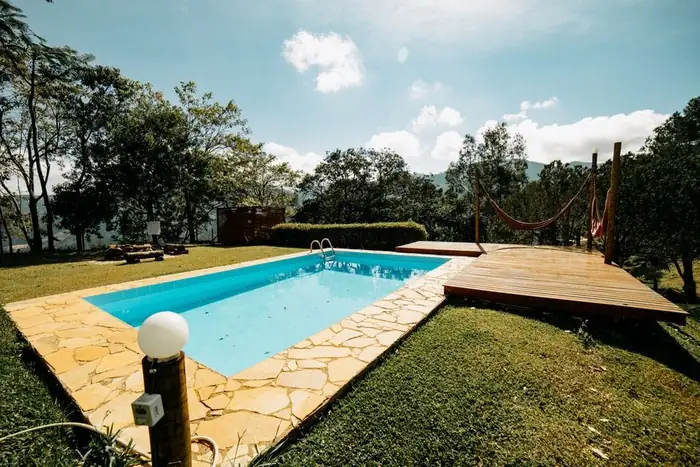
Fibreglass Pool Installation in Primrose Valley
Fast, low-maintenance fibreglass pools craned into place for Primrose Valley homes, and often swim-ready within one to two weeks.
-
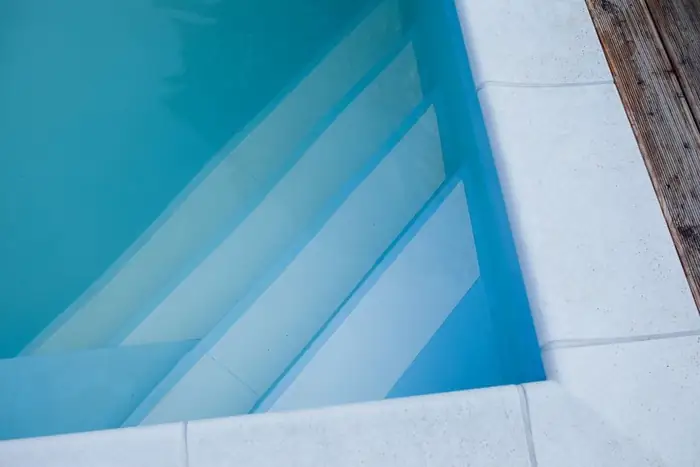
Plunge Pool Construction in Primrose Valley
Deep, small-footprint plunge pools for tight inner-Queanbeyan-Palerang Regional blocks, built in either concrete or fibreglass to fit the space exactly.
-
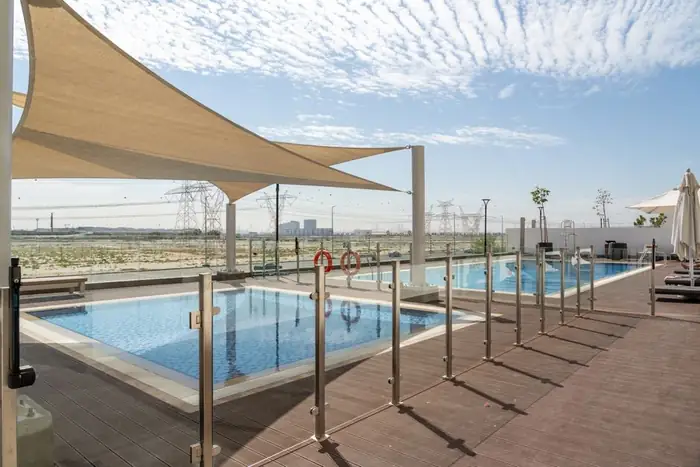
Pool Fencing & Safety Barriers in Primrose Valley
Glass and aluminium pool fences engineered for Capital Region conditions and certified for the NSW Swimming Pools Register.
-
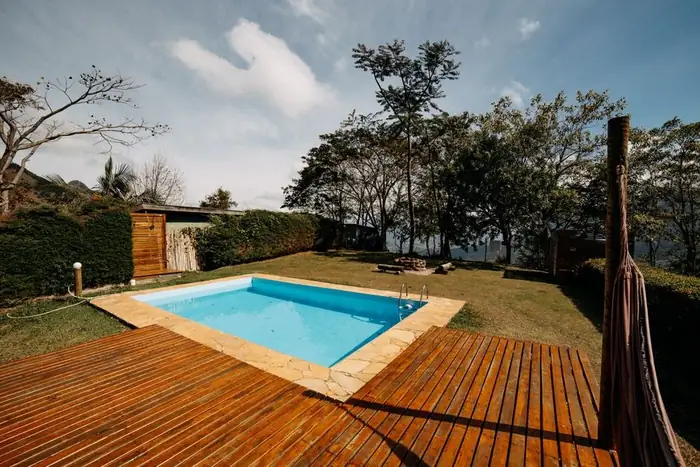
Pool Decking & Paving in Primrose Valley
Durable decking and paving framing your Primrose Valley pool, chosen to handle splash-out, heat and the Capital Region climate.
-
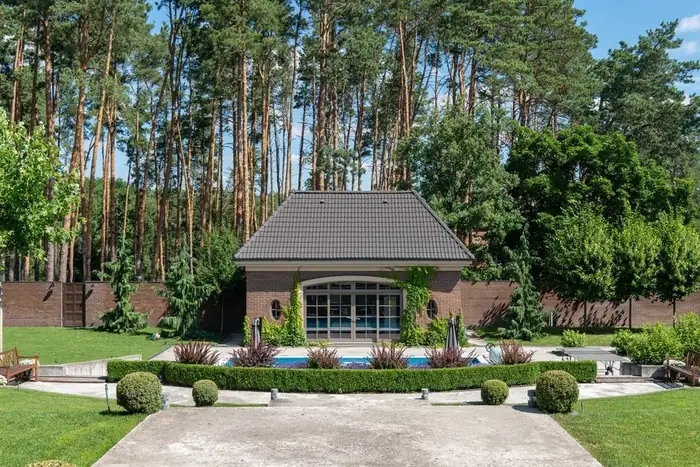
Pool Landscaping & Surrounds in Primrose Valley
Complete poolside areas in Primrose Valley, from coping and pavers to garden beds, privacy screens and soft outdoor lighting.
How a Primrose Valley Pool Project Comes Together
No two Primrose Valley blocks are the same, so a pool project is best handled by a builder who treats yours on its own terms. The work spans the full job: an initial site assessment, a design tailored to your space, the council or private-certifier approval, excavation, the pool shell, plumbing and filtration, the safety barrier, and the surrounds that finish it off. Properties across Queanbeyan-Palerang Regional range from compact inner courtyards to sloping family yards and large flat blocks, and each requires a different approach to access, engineering and layout. A builder who knows the Capital Region understands these differences and plans for them rather than discovering them halfway through. Approval in New South Wales usually runs as either a Complying Development Certificate via a registered certifier or a Development Application through the Queanbeyan-Palerang Regional council, and the right path depends on the block and the design. A well-built pool suits the local lifestyle and adds lasting value to a Primrose Valley home, particularly when the shell, filtration and finishes are specified to last. Handled in the correct order with the trades coordinated, the build runs to a schedule, and the household ends up with a pool matched to how it lives rather than a generic installation.
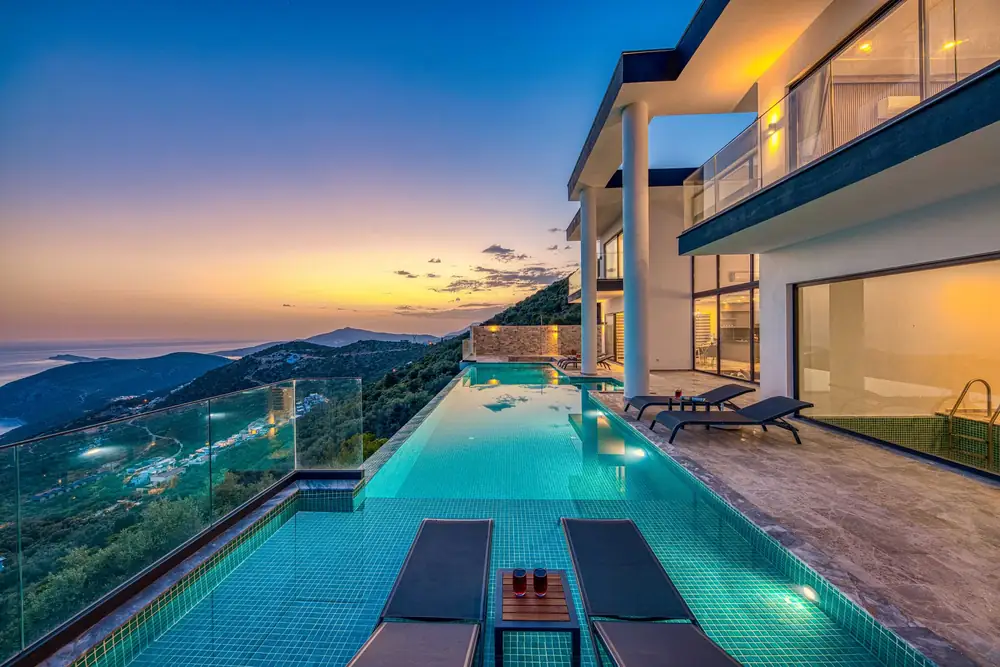
Pool Building and Upgrade Services in Primrose Valley
A homeowner in Primrose Valley can draw on a broad spread of pool services, from a complete new build through to a small repair. At the larger end sit new concrete and fibreglass pools, each suited to different blocks and budgets across Queanbeyan-Palerang Regional: concrete for full design freedom and longevity, fibreglass for a faster, lower-maintenance result. Compact options round out the new-build range, with plunge pools designed for courtyards and lap pools shaped to long, narrow sites. Renovation is just as significant a category, covering interior resurfacing in finishes such as quartz or pebble, reshaping, new tiling, fresh paving and modern, efficient equipment that cuts running costs on an older Primrose Valley pool. Fencing is a distinct service because the law in New South Wales requires a compliant child-safety barrier to AS 1926.1, with a self-closing, self-latching gate and a non-climbable zone. Heating, whether solar, heat-pump or gas, opens up far more of the year for swimming in the Capital Region climate, and poolside landscaping ties the pool into the rest of the yard with paving, decking and planting. Whether the need is a whole pool or one component, there is a service that fits.
- Concrete Pool Construction in Primrose Valley
- Fibreglass Pool Installation in Primrose Valley
- Plunge Pool Construction in Primrose Valley
- Lap Pool Construction in Primrose Valley
- Infinity & Wet-Edge Pools in Primrose Valley
- Small & Courtyard Pools in Primrose Valley
- Pool Renovation & Remodelling in Primrose Valley
- Pool Resurfacing & Interiors in Primrose Valley
- Pool Fencing & Safety Barriers in Primrose Valley
- Pool Landscaping & Surrounds in Primrose Valley
- Pool Decking & Paving in Primrose Valley
- Pool Heating & Solar in Primrose Valley
- Saltwater Pool Systems in Primrose Valley
- Mineral Pool Systems in Primrose Valley
- Spa & Spa-Pool Installation in Primrose Valley
- Pool Repairs & Leak Detection in Primrose Valley
Matching the Pool to Your Primrose Valley Block
A Primrose Valley backyard can usually take more than one kind of pool, and understanding the differences makes the choice clearer. Concrete is the workhorse for custom builds: poured and sprayed on the block, it can be made any shape or depth and suits feature designs, sloping ground and the more difficult Queanbeyan-Palerang Regional sites, at a cost that generally runs from $55,000 to $120,000 or higher and over a longer programme. Fibreglass takes a different path, with a pre-moulded shell that installs quickly, carries a durable factory finish, asks for less maintenance and lands around $35,000 to $75,000 installed, in exchange for accepting one of the available shapes. Where room is short, a plunge pool offers depth and a cool soak without needing a large footprint, and a lap pool gives a daily swimmer a long, narrow lane along a fence line. A courtyard pool suits a compact terrace, and a wet-edge or infinity pool makes the most of a Capital Region block that sits above its surroundings. The sensible approach for a Primrose Valley home is to weigh how the pool will mainly be used against what the block allows and what the budget covers, then settle on the type that meets all three.
Concrete or Fibreglass for Your Primrose Valley Home
The main decision for most Primrose Valley homeowners is concrete versus fibreglass, and each suits a different set of priorities. A concrete pool is formed and sprayed on site, which means it can be built to any shape, depth or size and can carry features such as wet edges, beach entries, integrated spas and split levels. That freedom comes at a price: concrete costs more and takes longer, generally a few months from dig to swim. Fibreglass works the other way around. The shell is moulded off site and craned in, so the build is fast, the running costs and maintenance are lower thanks to the smooth gelcoat surface, and the price sits below an equivalent concrete pool, though the shape and size are limited to the available moulds. For smaller blocks there are two more options worth weighing. A plunge pool packs a deep, cooling pool into a compact footprint, ideal for a courtyard, while a lap pool turns a long, narrow strip down the side of a Queanbeyan-Palerang Regional block into a fitness space. The right answer for a Primrose Valley backyard comes from matching the pool to the block size, the budget and how the household actually plans to use the water.
What Happens During a Primrose Valley Pool Build
A pool build in Primrose Valley moves through a fixed order of stages, and knowing the sequence makes the whole job easier to follow. It begins with design and an itemised fixed-price scope, where the pool is shaped to suit the block, the budget and how the household intends to use it. Approval comes next, either a Complying Development Certificate through a private certifier or a Development Application lodged with Queanbeyan-Palerang Regional council. Once paperwork clears, the site is set out and excavation begins, with the dig adjusted for soil, slope and any rock found in the Capital Region ground. Steel reinforcement and the rough plumbing follow, then the shell: sprayed concrete formed on site, or a moulded fibreglass shell craned into the hole in a single day. After the shell cures or beds in, the surrounds take shape: paving and coping, child-safety fencing, the interior finish and the water itself, then filtration and equipment are commissioned and tested. Inspections by the certifier or council sit between several of these stages, which is part of why the order does not change. From excavation to a swim-ready pool, a fibreglass build can run a few weeks while a concrete build across Queanbeyan-Palerang Regional usually spans two to four months, weather and access permitting.
Pool Pricing & Estimates for Primrose Valley
Pool pricing in Primrose Valley is best understood as a base shell cost plus everything around it, and the two pool types start from quite different points. Fibreglass is the more economical route, with installed prices across Queanbeyan-Palerang Regional typically landing in the $35,000 to $75,000 range, while concrete runs higher at roughly $55,000 to $120,000 and beyond for larger or more complex builds. What moves the figure within those bands is mostly the site. A flat block with wide side access keeps machinery and craneage simple, whereas a tight or sloping Capital Region site can need retaining, specialised access or a larger crane, all of which add cost. Rock encountered during excavation is a common variable that lifts the dig price. Beyond the shell, the surrounds carry real weight: paving and coping, the safety barrier, decking, electrical, water features and landscaping each add to the total. A properly itemised, fixed-price scope is the tool that makes this clear, breaking the Primrose Valley project into line items so the figure that is approved is the figure that is paid, with provisional allowances flagged where a cost cannot yet be pinned down. Reading two scopes side by side is far more useful than comparing two bottom-line numbers, because it shows where one Queanbeyan-Palerang Regional builder has included work that another has quietly left out.
Approvals, Barriers and the NSW Register
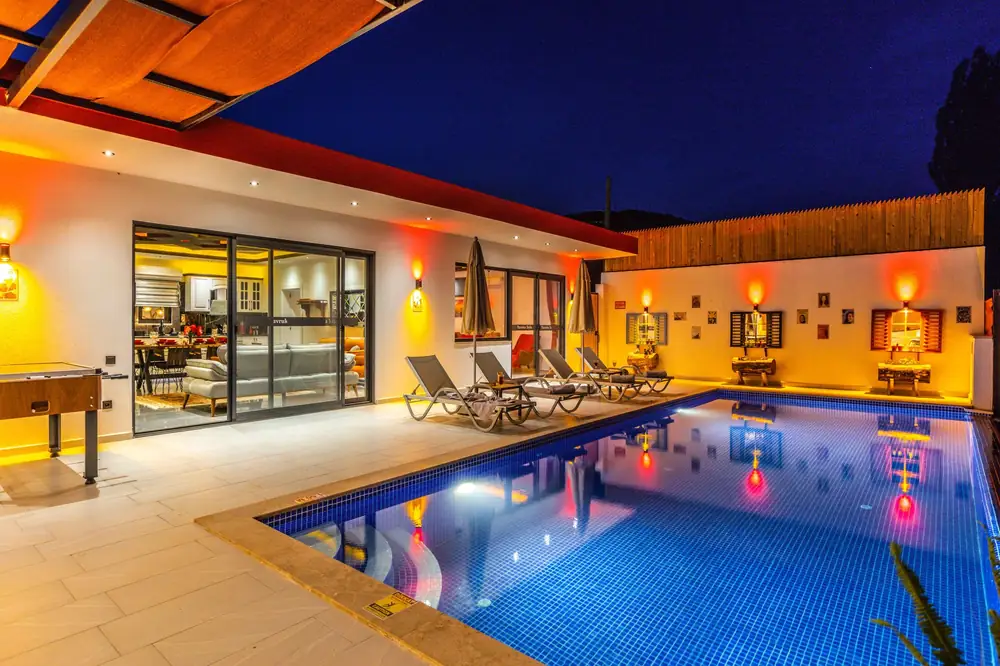
Every new pool in New South Wales sits within a clear safety framework, and understanding it takes the worry out of the process. Approval is the first requirement, and it follows one of two paths. For straightforward blocks, a pool can be approved as Complying Development, with a Complying Development Certificate issued by a private certifier, a faster route that avoids a full council assessment. Where the site is more complex, or local controls apply, approval instead comes through a Development Application lodged with Queanbeyan-Palerang Regional council. Whichever path applies, the pool must have a child-safety barrier that complies with AS 1926.1: a minimum fence height of 1200 millimetres, a self-closing and self-latching gate, and a non-climbable zone kept clear around the fence. Once construction is complete, the pool must be entered on the NSW Swimming Pools Register before it can be filled and used, and a certificate of compliance confirms the barrier meets the standard. During the build itself, work is carried out under SafeWork NSW requirements covering site safety. None of this is left to chance: in a Primrose Valley build the certification, barrier and registration are coordinated so the finished pool is compliant from the day it is first used.
Who Builds Pools Across Primrose Valley and Queanbeyan-Palerang Regional
Aussie Pool Builder builds pools across Primrose Valley and the surrounding Queanbeyan-Palerang Regional, and the team's strength is its familiarity with the Capital Region and the way pools come together here. The business is licensed and insured for residential building work in New South Wales, and it relies on a settled group of local trades, the excavators, steel fixers, plumbers, tilers and certifiers who have worked together across many Primrose Valley sites. A pool is one of the more demanding things a homeowner can add to a property, and local experience reduces the risk at every turn. Knowing the typical soil and rock conditions around Queanbeyan-Palerang Regional informs the engineering and the excavation method before a machine arrives. Understanding the Primrose Valley streetscape, with its varying access and established gardens, shapes how equipment reaches a backyard. Familiarity with the Queanbeyan-Palerang Regional council and with private certifiers makes the approval stage, whether a Complying Development Certificate or a Development Application, far more predictable. There is also the matter of accountability: a local builder is part of the community it serves, easy to reach and motivated to protect its standing. For a Primrose Valley homeowner, the reassurance of a properly licensed, insured and locally experienced builder is worth a great deal on a project of this size.
Signs of a Dependable Primrose Valley Pool Builder
When a Primrose Valley homeowner is weighing up pool builders, a short checklist separates the dependable from the doubtful. Confirm the licence first: residential building work in New South Wales must be performed under a current builder licence, and that can be checked on the NSW Fair Trading public register in a couple of minutes. Confirm public liability insurance second, as this is the cover that protects the property and the homeowner while work is underway. Insist on a written, fixed-price scope third, with the pool shell, filtration, fencing, paving and any provisional sums each set out, so the quote that is agreed is the price that stands. Ask for recent references from Queanbeyan-Palerang Regional and look for evidence of completed pools nearby, since a builder active in the area should be able to show its work. The red flags are equally important to know. Pressure to pay a large cash deposit, vague or shifting inclusions, and an inability to point to recent Capital Region projects all warrant caution. A trustworthy builder is also open about how a job will be approved, whether through a Complying Development Certificate or a Development Application, and about meeting the AS 1926.1 barrier rules and the NSW Swimming Pools Register before a pool is used.
Blocks, Access and Soil Around Primrose Valley
The conditions on a Primrose Valley block decide a great deal about how its pool is built, and local knowledge is what turns those conditions into a workable plan. Side access is usually weighed first, because the gap between the house and the boundary controls whether a standard excavator and crane can reach the site or whether a smaller, slower approach is needed; narrow access is common on the older lots across Queanbeyan-Palerang Regional. Soil and rock come next, with the Capital Region ground varying from sand to clay to shallow sandstone, and the presence of rock lifting both the excavation effort and the engineering the shell requires. A sloping site may need retaining or a raised edge to set the pool level, and established trees ask to be protected or removed with care for their roots and the structures nearby. The Queanbeyan-Palerang Regional council sets the requirements the build must meet, and the approval generally takes one of two routes, a Complying Development Certificate through a private certifier or a Development Application through council, according to the block and the design. The Capital Region climate also shapes choices on orientation and materials. A builder who understands Primrose Valley factors all of this into the plan so the construction matches the realities of the site.
What the Capital Region Area Means for Your Pool
The Capital Region covers the Southern Tablelands and Monaro around Goulburn, Queanbeyan, Yass and Cooma, sitting at altitude with a cool continental climate. Summers are warm and dry but evenings cool fast, and winters are genuinely cold with hard frosts and snow on the higher Monaro country. That keeps the comfortable swimming season short, broadly December to March, so heating is close to essential for a pool in Primrose Valley to be used across the warmer months. Soils tend towards heavy clay and decomposed granite, with shallow rock on many slopes, all of which can slow excavation and warrant a site assessment before pricing. Reactive ground means engineered footings and drainage are important. A sheltered, north-facing position that captures sun and blocks the cold wind, ideally paired with heating, gives the best return across Queanbeyan-Palerang Regional.
Common Pool Questions in Primrose Valley
- How much does a new swimming pool cost in Primrose Valley?
- Cost depends on type, size, site access and finishes. As a guide in Primrose Valley, an installed fibreglass pool typically runs $35,000 to $75,000, while a custom concrete pool generally sits between $55,000 and $120,000 or more for larger designs. Rock excavation, retaining walls, premium tiling and landscaping all move the final figure on a Queanbeyan-Palerang Regional block.
- Concrete or fibreglass: which suits Primrose Valley better?
- Both perform well; the decision usually rests on your Primrose Valley block and goals. Concrete is the pick for a fully custom shape, feature edges or a difficult Capital Region site, while fibreglass wins on speed, value and low upkeep. Concrete is formed and sprayed on site; fibreglass arrives as a moulded shell and installs in a fraction of the time.
- How long does it take to build a pool in Primrose Valley?
- A fibreglass pool can be installed in roughly one to two weeks once approvals are in place, because the shell is manufactured off site and craned in. A custom concrete pool usually takes several weeks to a few months, since it is formed, sprayed, cured and finished on site. Access and Capital Region weather both affect the schedule on a Primrose Valley job.
- Is council approval required to build a pool in Primrose Valley?
- Almost every pool in New South Wales needs approval before construction, either a fast-tracked Complying Development Certificate through a registered certifier or a Development Application through Queanbeyan-Palerang Regional. The right route hinges on your Primrose Valley property and the relevant planning controls, and the paperwork is a standard part of the build process.
- How long does pool approval take in Primrose Valley?
- It depends on the pathway. A Complying Development Certificate through a private certifier is the faster option and is often determined within a few weeks where the design clearly meets the standards. A Development Application through Queanbeyan-Palerang Regional council generally takes longer, commonly a couple of months, as it allows for assessment and any required notification in Primrose Valley.
- What fencing does a pool need in Primrose Valley?
- All pools in Primrose Valley require a safety barrier built to AS 1926.1, covering fence height, a self-closing and self-latching gate and non-climbable zones. Options include frameless glass, semi-frameless glass and tubular aluminium. The barrier is inspected for compliance and the pool is recorded on the NSW Swimming Pools Register as part of finishing the job in Queanbeyan-Palerang Regional.
- What ongoing maintenance and running costs should I expect?
- Running costs in Primrose Valley cover electricity for the pump, chemicals, and occasional water top-ups, plus more if the pool is heated. Most owners spend a moderate amount each week. An energy-efficient pump, a saltwater or mineral system and a pool cover all bring those costs down, and fibreglass interiors generally need fewer chemicals than other finishes.
- Is a pool possible on a tight or sloping site in Primrose Valley?
- Small and sloping blocks are common across Primrose Valley and Queanbeyan-Palerang Regional, and pools are built on them regularly. A plunge pool suits a compact yard, while a sloping site may require retaining walls or an elevated, partly raised pool. Engineering for slope, side access and rock is a normal part of building on a difficult Capital Region block.
- Pool heating: can I extend the swim season in Primrose Valley?
- Yes. Solar, heat-pump and gas heating each extend the swimming season for Primrose Valley pools. Solar is the most economical to run in sunny Capital Region suburbs, heat pumps deliver reliable warmth on demand, and gas heats quickly for occasional use. Pairing any system with a pool cover holds the heat in and cuts running costs noticeably.
- What is the difference between salt, mineral and chlorine pools in Primrose Valley?
- All three keep a Primrose Valley pool clean; they differ in feel, cost and handling. Saltwater chlorination is popular for soft water and minimal chemical handling, mineral systems add magnesium for a silkier swim favoured by health-conscious owners, and manual chlorine remains the cheapest to set up. Salt and mineral systems can be fitted to new Queanbeyan-Palerang Regional builds or retrofitted to an existing pool.
- What does a standard pool build cover in Primrose Valley?
- A typical pool build in Primrose Valley brings together excavation, the shell, filtration and plumbing, fencing, paving and the interior, with landscaping often added. Access is the key practical factor: excavators and a concrete pump or a delivery crane need a usable path to the site. Where access is tight, the build is planned around it, and the inclusions are confirmed in writing for the Queanbeyan-Palerang Regional job.
- Do you offer a warranty on your pools?
- Yes. Pools built in Primrose Valley carry a structural warranty, and fibreglass shells include the manufacturer's warranty on the shell itself. The work is carried out by builders fully licensed and insured for residential construction in New South Wales, and the cover that applies to your build is set out clearly in the contract before work begins.
Other Suburbs We Serve in Queanbeyan-Palerang Regional
Bungendore Pool Builders
Bywong Pool Builders
Forbes Creek Pool Builders
Hoskinstown Pool Builders
Rossi Pool Builders
Captains Flat Pool Builders
Hill Top Pool Builders
The Ridgeway Pool Builders
Jerrabattgulla Pool Builders
Queanbeyan West Pool Builders
Jerrabomberra Pool Builders
Araluen Pool Builders
Araluen North Pool Builders
Ballalaba Pool Builders
Bendoura Pool Builders
Berlang Pool Builders
Bombay Pool Builders
Boro Pool Builders
Braidwood Pool Builders
Budawang Pool Builders
Charleys Forest Pool Builders
Corang Pool Builders
Durran Durra Pool Builders
Farringdon Pool Builders
Gundillion Pool Builders
Harolds Cross Pool Builders
Hereford Hall Pool Builders
Jembaicumbene Pool Builders
Jerrabattculla Pool Builders
Jinden Pool Builders
Jingera Pool Builders
Kain Pool Builders
Kindervale Pool Builders